Introduction
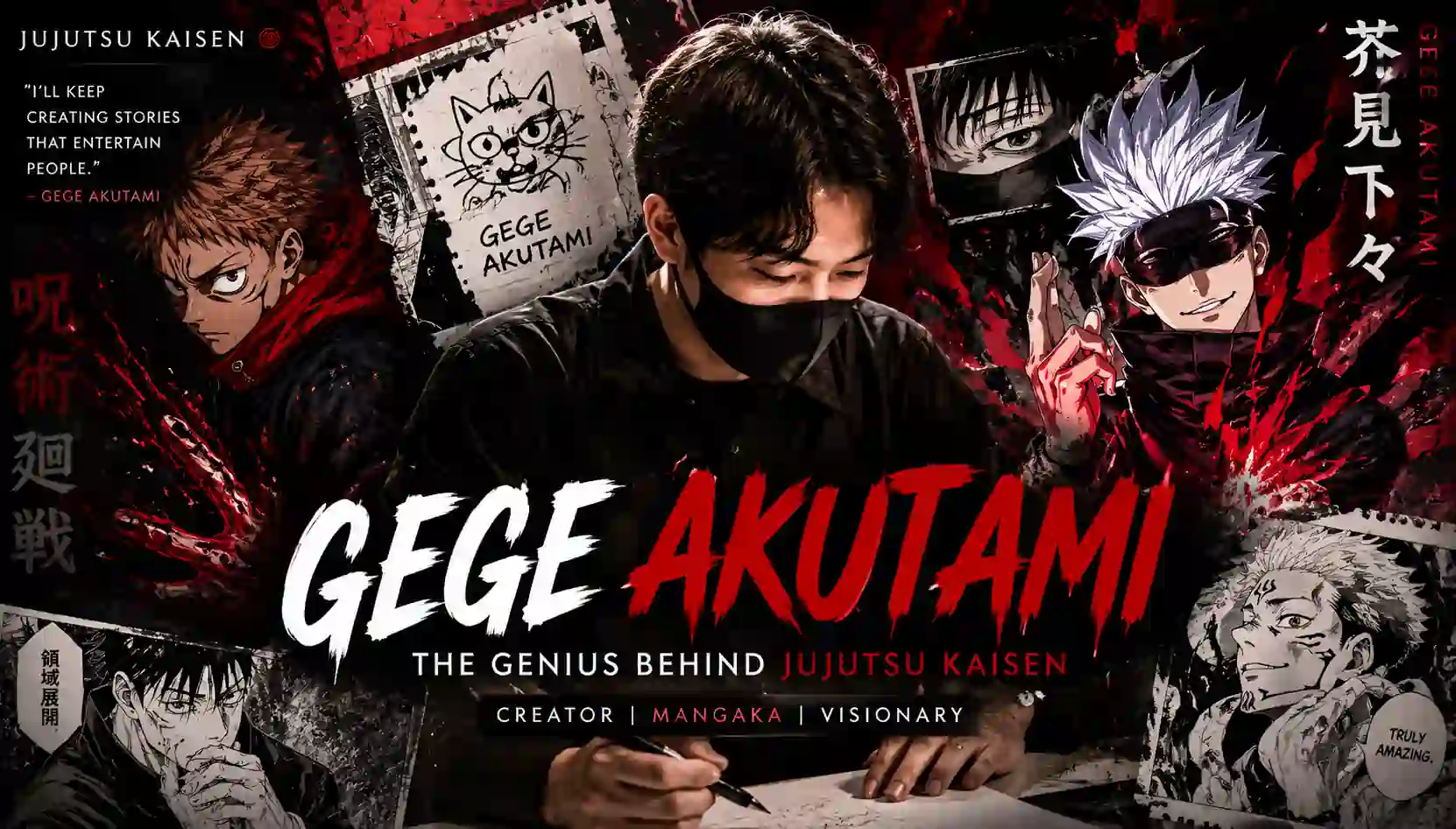
Gege Akutami stands as one of modern manga’s most influential storytellers, crafting worlds that captivate millions globally. His work transcends typical shonen conventions, blending complex character development with philosophical depth. While maintaining deliberate privacy, his creative output speaks volumes about his artistic vision. This guide uncovers the person behind the pen, revealing what shapes his narrative brilliance and why fans remain obsessed with his creations.
Who Is Gege Akutami Really?
Gege Akutami represents a unique breed of contemporary manga creator—one who chooses substance over celebrity status. Rather than pursuing the typical creator spotlight, he channels energy into storytelling that resonates across demographics. His approach reflects a deliberate philosophy: let the work define the artist.
This methodology has proven remarkably effective. Jujutsu Kaisen’s explosive success didn’t require constant social media presence or promotional tours from its creator. Instead, the narrative’s emotional depth and character complexity drove organic fan engagement. In a contradictory way, Akutami’s anonymity enhanced his mystique and generated excitement that conventional marketing was unable to match.
Key Characteristics:
- Prefers narrative authenticity over personal branding
- Demonstrates rare restraint in public appearances
- Focuses creative energy on manga production
- Maintains professional boundaries with audience
- Prioritizes story integrity over commercial pressure
Gege Akutami Real Name: What We Actually Know
Gege Akutami’s real identity operates under intentional secrecy. The name “Gege Akutami” itself functions as a professional pseudonym rather than his birth name. This distinction matters—many manga creators employ pen names for creative freedom and personal protection.
Japanese manga industry standards support this privacy choice. Akutami isn’t unusual in maintaining separation between personal life and professional identity. Unlike Western authors who often publicize personal details, Japanese creators frequently operate with substantially more discretion.
What we’ve confirmed through official sources:
- “Gege Akutami” is the registered mangaka name
- His actual birth name remains undisclosed
- He maintains this privacy intentionally and consistently
- Official publisher materials respect this boundary
- Fan speculation doesn’t change his verified professional identity
Why This Matters:
Privacy allows creative freedom without biographical constraints. Readers engage with stories rather than personal drama, shifting focus where Akutami believes it belongs—on narrative quality.
The Mystery Behind Gege Akutami Face: Why He Stays Hidden
Gege Akutami’s face has never been officially revealed to the public. This isn’t accidental—it reflects deliberate choice. Unlike some creators who gradually share personal details, Akutami maintains complete visual anonymity.
This decision contrasts sharply with contemporary manga culture. Many successful mangaka now leverage personal branding, appearing in interviews, promotional videos, and merchandise featuring their likenesses. Akutami steadfastly refuses this path.
Documented instances of non-appearance:
- Television interviews conducted without showing face
- Manga magazine features using illustrated avatars instead
- Official events represented through proxy appearances
- Public communications limited to text-based statements
- Collaborative projects never requiring personal visibility
The psychological benefit extends beyond privacy protection. Anonymous creators often report greater creative confidence—decisions stem from story merit rather than personal approval-seeking. This framework likely contributes to Jujutsu Kaisen’s uncompromising narrative direction.
Gege Akutami Books and Manga Works: A Complete Bibliography
Gege Akutami’s creative catalog reveals an artist constantly evolving his craft. His published works demonstrate progression from early experiments to masterful execution.
Primary Published Works:
| Work Title | Publication Year | Status | Significance |
| Jujutsu Kaisen | 2018–Present | Ongoing | Magnum opus; global phenomenon |
| Jujutsu Kaisen 0 | 2020 | Complete | Prequel exploring origin mythology |
| Goodnight PunPun (Assistant) | 2007-2014 | Archived | Early career involvement |
| One-Shot Collections | 2016-2018 | Various | Pre-Jujutsu Kaisen experimentation |
Jujutsu Kaisen Volumes (Primary Focus):
The manga series spans 20+ collected volumes, each maintaining narrative momentum while introducing intricate world-building elements. The “Shibuya Incident Arc” particularly showcases Akutami’s ability to balance character development with large-scale conflict.
Translated Editions:
- English translations through Viz Media
- German editions (Kazé)
- French versions (Glénat)
- Italian releases (Star Comics)
- Numerous other language adaptations
Each volume demonstrates technical refinement. Early chapters display solid foundations; later volumes showcase mastery of pacing, emotional beats, and visual composition. Instead of static execution, this evolution demonstrates real growth.
Gege Akutami Art Style: Visual Language and Evolution
Gege Akutami’s artistic approach sets him apart in contemporary manga. His visual style balances detailed character work with dynamic action sequences—a combination requiring extraordinary technical skill.
Distinctive Visual Elements:
Character Design Philosophy:
- Expressive eyes conveying emotional subtlety
- Diverse body types avoiding generic templates
- Facial features reflecting personality traits
- Costume design integrating character history
- Subtle details rewarding observant readers
Action Sequence Mastery:
Akutami’s fight choreography transcends typical manga action. Readers genuinely understand spatial relationships, movement flow, and impact physics. His panel layouts guide eye movement naturally, creating rhythm that enhances dramatic tension.
Contrast Usage:
He employs stark contrasts between detailed panels and minimalist backgrounds. This method preserves visual breathing room while concentrating attention where narratively significant. Cluttered panels become deliberate choices rather than lazy defaults.
Emotional Expression:
Facial expressions carry genuine weight. Characters don’t simply display emotions—their physiological responses feel authentic.Microexpressions, dilated pupils, and trembling hands are strong ways to convey internal states.
Technical Execution:
The artwork demonstrates consistent improvement across serialization. Early Jujutsu Kaisen chapters show competent execution; later chapters reveal technical mastery. Backgrounds gain intricacy, character proportions become more refined, and special effects gain visual sophistication.
Gege Akutami New Manga: What’s Next After Jujutsu Kaisen?
As Jujutsu Kaisen approaches its conclusion, fan speculation intensifies regarding Gege Akutami’s next project. Understanding his creative trajectory helps anticipate future directions.
Current Status (2024):
Jujutsu Kaisen remains Akutami’s primary focus, though the manga has entered its final narrative phase. The creator has provided occasional hints about future plans without concrete announcements.
Likely Direction for Future Works:
Based on demonstrated interests and narrative patterns:
- Philosophical depth will likely continue characterizing his stories
- Character-driven narratives over pure action spectacle
- Darker thematic elements exploring moral complexity
- Diverse cast representation beyond typical anime tropes
- Supernatural worldbuilding incorporating mythology and folklore
Creator Statements:
In rare interviews, Akutami has expressed interest in exploring different genres while maintaining core interests in psychology and character development. He’s indicated reluctance to immediately restart serialization, suggesting contemplative planning between major projects.
Fan Speculation vs. Reality:
Numerous fan theories circulate about upcoming works. However, Akutami historically avoids public announcements until projects reach substantial development. Expecting surprise reveals aligns better with his established pattern than premature confirmations.
Timeline Considerations:
Major serialized manga typically requires 2-3 years development before announcement. Even after Jujutsu Kaisen’s official conclusion, reasonable expectations place new work announcements at 2025 earliest.
Is Gege Akutami Japanese? His Background and Origins
Gege Akutami operates within the Japanese manga industry, published through Shonen Jump—the industry’s premier platform. His work follows Japanese storytelling conventions while transcending cultural boundaries.
Confirmed Background Details:
The creator identifies as Japanese, working within Tokyo’s manga production ecosystem. His understanding of Japanese cultural references, supernatural folklore, and social dynamics reflects deep cultural familiarity rather than external observation.
Cultural Elements in His Work:
Jujutsu Kaisen integrates authentic Japanese spiritual concepts. Cursed spirits draw from Shinto and Buddhist traditions. Combat systems reference actual martial arts philosophies. This authenticity suggests not merely research but genuine cultural immersion.
Language and Communication:
Official statements occur primarily in Japanese, with translations provided for international audiences. His writing style maintains distinctly Japanese narrative pacing and thematic emphasis, even in translation.
Industry Context:
Akutami emerged through standard Japanese manga industry pathways—assistant work, one-shot submissions, and eventual serialization. This trajectory differs substantially from international creators entering the space, suggesting established industry connections and cultural understanding.
The Creative Process Behind Jujutsu Kaisen’s Success
Understanding how Gege Akutami creates reveals insights into Jujutsu Kaisen’s exceptional quality. His methodology differs notably from contemporary manga practices.
Planning and Worldbuilding:
Akutami invests heavily in pre-serialization planning. Multiple story arcs appear conceptualized before serialization begins, allowing organic development rather than reactive plotting. This approach explains narrative cohesion many fan-favorite series lack.
Worldbuilding extends beyond surface-level setting details. The Jujutsu Society’s hierarchical structure, cursed spirit classifications, and power system mechanics demonstrate systematic thinking applied across narrative elements.
Character Development Strategy:
Rather than designing characters and finding purposes for them, Akutami identifies narrative needs first. Characters emerge as organic solutions to thematic requirements. This inverted process produces surprisingly authentic personalities despite the manga medium’s typical character archetype conventions.
Pacing Mastery:
Weekly chapter delivery under severe time constraints is required due to the serialized nature. Akutami’s consistency despite this constraint indicates either exceptional efficiency or deliberate assistance. Many chapters maintain high quality without visible rushing—a rarity in weekly serialization.
Research Integration:
Thematic elements suggesting substantial research appear throughout his work. Psychological concepts, spiritual traditions, and martial arts knowledge integrate seamlessly into narratives. This depth couldn’t emerge from casual familiarity.
Gege Akutami Influences: Creative Inspirations
Akutami’s creative foundation draws from diverse sources reflecting his intellectual interests. Identifying influences illuminates his narrative approach.
Manga Influences:
Several classic and contemporary manga series appear to have shaped his sensibilities:
- Hunter x Hunter (seeming impact on the architecture of the power system)
- Bleach (supernatural action storytelling framework)
- Death Note (character-driven psychological tension)
- Fullmetal Alchemist (thematic depth and moral complexity)
Literary and Philosophical Influences:
Beyond manga, Akutami references broader intellectual traditions. His dialogue occasionally incorporates philosophical concepts. Character motivations reflect existential questions rather than simple good-versus-evil frameworks.
Film and Media:
Japanese cinema, particularly films exploring psychological themes and moral ambiguity, appears influential. The visual composition in certain scenes suggests cinematic inspiration rather than purely manga-derived aesthetics.
Personal Experience:
While maintaining privacy about personal details, his work suggests engagement with psychological struggles, philosophical questioning, and human complexity. These themes resonate powerfully because they emerge from genuine interest rather than surface-level research.
The Jujutsu Kaisen Phenomenon: Cultural Impact
Gege Akutami’s creation transcends typical manga success, becoming a genuine cultural phenomenon reshaping anime and manga’s global perception.
Commercial Success Metrics:
- 50+ million copies sold (manga volumes worldwide)
- Global anime viewership reaching unprecedented international audiences
- Merchandise ecosystem generating substantial revenue
- Film adaptations breaking box office records in multiple markets
- International streaming presence on major platforms (Netflix, Crunchyroll, etc.)
Cultural Significance:
The series introduced international audiences to sophisticated manga storytelling. Unlike earlier anime exports emphasizing action or comedy, Jujutsu Kaisen balanced entertainment with genuine thematic depth. This credibility shifted global perceptions of manga as serious artistic medium.
Industry Impact:
Jujutsu Kaisen’s success influenced industry practices. Publishers invested more heavily in character-driven narratives. Studios prioritized animation quality over cost-cutting. The series effectively raised baseline expectations for serialized manga.
Fan Community:
The fanbase demonstrates remarkable engagement quality. Discussions extend beyond plot mechanics to thematic analysis, character psychology, and philosophical implications. This intellectual engagement reflects Akutami’s narrative sophistication creating space for substantive conversation.
Gege Akutami’s Philosophy on Storytelling
Through rare interviews and paratextual analysis, Akutami’s storytelling philosophy becomes discernible. Understanding these principles illuminates his creative choices.
Character Over Plot:
Akutami prioritizes character authenticity over convenient plotting. Characters make psychologically consistent decisions even when narratively inconvenient. This commitment to character integrity creates unpredictability that engages readers emotionally.
Moral Complexity Over Simplicity:
His narratives reject easy moral categorization. Antagonists possess understandable motivations. Heroes make questionable decisions. This nuance creates ethical tension forcing reader engagement with difficult questions.
Sacrifice and Consequence:
Unlike many shonen manga, Akutami demonstrates genuine consequences. Character deaths occur meaningfully, shaping survivor psychology. Victory doesn’t erase previous trauma. This approach treats storytelling seriously rather than as escapist fantasy.
Visual and Narrative Integration:
Story and artwork function inseparably in his conception. Panels serve narrative function beyond mere illustration. Composition, perspective, and visual symbolism reinforce thematic elements. This integration demonstrates sophisticated understanding of comics as unique medium.
Reader Respect:
Akutami trusts readers to understand complexity without explicit explanation. Subtext dominates over exposition. This respect for audience intelligence encourages active engagement rather than passive consumption.
Behind the Scenes: The Production Reality
Serialized manga production operates under conditions most readers don’t appreciate. Understanding Akutami’s production circumstances contextualizes his achievement.
Weekly Serialization Demands:
Shonen Jump serialization requires new chapters weekly, typically 18-20 pages. This schedule allows minimal revision time. Quality maintenance under such pressure requires exceptional skill or substantial support.
Assistant Team Structure:
Successful manga creators rely on assistants handling backgrounds, screentones, and technical elements. Akutami’s team size, composition, and specializations influence chapter quality and consistency. Larger, more skilled teams enable higher visual polish despite time constraints.
Editorial Relationships:
Publisher support significantly impacts creative freedom and resource allocation. Akutami’s consistent editorial backing points to a solid working relationship with Shonen Jump editors that permits artistic freedom while satisfying business demands.
Health Considerations:
Manga serialization notoriously impacts creator health. Extreme work hours, irregular sleep, and constant deadlines create health risks. Akutami’s ability to maintain quality suggests either exceptional constitution or effective work-life management strategies.
Creative Sustainability:
Long-running serialization risks creative fatigue. Maintaining narrative quality across 200+ chapters requires deliberate sustainability strategies. Akutami’s consistent quality suggests successful approaches preventing burnout while sustaining engagement.
FAQ Section: Common Questions About Gege Akutami
FAQ 1: What is Gege Akutami’s real name?
Short Answer: Gege Akutami’s actual birth name remains undisclosed. “Gege Akutami” is his professional mangaka pseudonym, which he maintains deliberately.
Detailed Explanation: The manga industry traditionally supports creator privacy through pen names. Akutami has never publicly released personal identifying information, and this boundary is respected by publishers and media outlets. This privacy choice doesn’t diminish his professional credentials—it simply reflects his personal preference regarding public visibility.
FAQ 2: Has Gege Akutami shown his face publicly?
Short Answer: No, Gege Akutami has never officially revealed his face. He maintains complete visual anonymity.
Detailed Explanation: Unlike many contemporary creators, Akutami consistently declines opportunities to appear visually in public or media. Television interviews occur without displaying his appearance. Official announcements use illustrated avatars. This deliberate anonymity is enforced consistently across all professional contexts, demonstrating strong personal commitment to privacy.
FAQ 3: Is Gege Akutami still creating new manga after Jujutsu Kaisen?
Short Answer: As of now, Akutami hasn’t announced his next project. He remains focused on concluding Jujutsu Kaisen, his primary work.
Detailed Explanation: Major manga serialization requires substantial development time. Post-conclusion, creators typically take planning periods before announcing new projects. Given Akutami’s methodical approach, expecting formal announcements at 2025 or later aligns with his established patterns. His rare statements suggest interest in exploring different creative directions while maintaining core storytelling interests.
FAQ 4: How did Gege Akutami start his manga career?
Short Answer: Akutami followed traditional manga pathways—assistant work, one-shot submissions, and eventually Shonen Jump serialization.
Detailed Explanation: Before Jujutsu Kaisen, Akutami worked as assistant to established creators, gaining technical skills and industry experience. This apprenticeship model remains standard in Japanese manga production. His progression from assistant to serialized creator reflects demonstrated competence recognized by publisher editors, culminating in the Jujutsu Kaisen opportunity.
FAQ 5: What makes Gege Akutami’s art style unique?
Short Answer: Akutami combines detailed character work, dynamic action sequences, sophisticated panel composition, and authentic emotional expression—creating visually distinctive storytelling.
Detailed Explanation: While influenced by manga traditions, his technical execution demonstrates individual voice. Character designs avoid generic templates. Action sequences display clear spatial relationships. Emotional expressions convey psychological authenticity. This distinctive visual language has become immediately recognizable, contributing substantially to Jujutsu Kaisen’s identity beyond narrative elements alone.
FAQ 6: During weekly serialization, how does Gege Akutami maintain quality?
Short Answer: Through exceptional skill, strong assistant team support, pre-planning, and likely effective work management—maintaining consistent quality across 200+ chapters requires multiple factors working together.
Detailed Explanation: Weekly manga serialization typically creates quality inconsistencies due to extreme time pressure. Akutami’s sustained excellence suggests combination of factors: substantial pre-serialization planning allowing organic chapter flow, competent assistant team handling technical elements, editorial support providing resources, and possibly deliberate pacing strategies preventing burnout. This multifaceted approach enables sustainable creative output without visible compromises.
Conclusion: The Legacy of Gege Akutami’s Vision
Gege Akutami represents something increasingly rare—an artist who prioritizes creative integrity over personal celebrity. His decision to remain anonymous while creating globally influential work challenges conventional wisdom about creator brands and public personas.
His journey demonstrates that exceptional storytelling transcends biographical details. Readers engage with characters and narratives far more deeply than with creator personalities. This realization freed Akutami to focus entirely on craft without distraction from personal image management.
The Jujutsu Kaisen phenomenon ultimately validates his approach. Without extensive personal branding, without social media cultivation, without celebrity appearances, the series became a cultural moment reshaping anime and manga’s global perception. The work itself spoke powerfully enough.
Looking forward, Akutami’s established success provides creative freedom. His next projects will emerge when artistically ready rather than when commercially optimal. This patience reflects confidence in craft and respect for audience intelligence.
For readers: Appreciate the remarkable achievement of Jujutsu Kaisen’s creation under extreme production pressures. For aspiring creators: recognize that anonymous excellence can resonate more powerfully than personal celebrity. For the broader creative community: understand that sometimes the most influential artists remain mysteriously hidden behind their creations—not from insecurity, but from absolute confidence in their work’s ability to speak independently.
Gege Akutami’s legacy will ultimately transcend personal identity, remaining tied permanently to the characters and stories that changed how the world perceives manga as serious artistic medium.