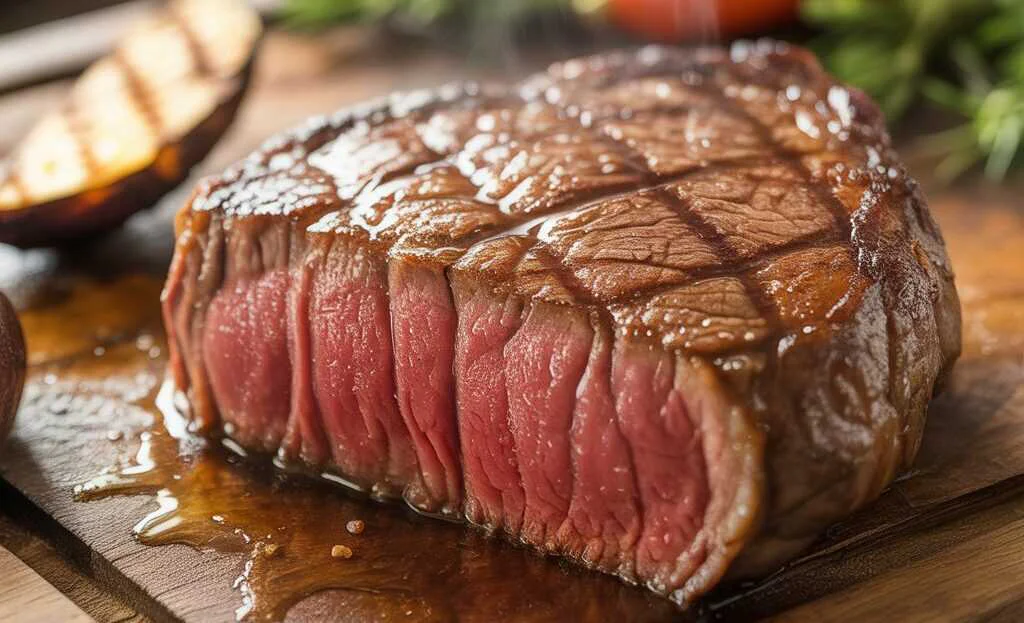
Medium Rare Steak Temp
Introduction: Your Journey to Steak Perfection Starts Here
Have you ever dreamed of cutting into a steak that makes everyone at the table go quiet? That moment when your knife slides through a beautiful, caramelized crust into a juicy, warm pink center that’s bursting with flavor. That’s the magic of a perfectly cooked medium rare steak. But hitting that sweet spot—the exact medium rare steak temp—feels like a secret club that only chefs can join. You worry about undercooking and sending everyone running, or worse, turning a gorgeous cut into a tough, gray disappointment.
Friend, I’ve been there. I’ve overcated more steaks than I care to admit. But through years of grilling, pan-searing, and learning from pitmasters, I’ve cracked the code. This guide is your all-access pass. We’re going to move beyond guesswork and into the world of precision, where perfect steak is a guarantee, not luck. We’ll talk about the science of heat, the power of a simple thermometer, and the little tricks that make a huge difference. Get ready to transform your next cookout or Tuesday night dinner. The perfect medium rare steak temp is closer than you think, and I’ll show you exactly how to find it, every single time.
Why Medium Rare is the Gold Standard for Steak Lovers
So, why does everyone from top chefs to food enthusiasts rave about medium rare? It’s not just a trend; it’s where science and taste collide beautifully. When you cook a steak to the ideal medium rare temp, you’re achieving a harmony of texture and taste that other doneness levels can’t match. The high heat creates a flavorful, crispy crust through a process called the Maillard reaction—that’s the delicious browning. Meanwhile, the interior reaches just enough warmth to melt the delicate intramuscular fat, known as marbling, without squeezing out all the precious juices.
This gentle cooking preserves the steak’s natural tenderness and beefy flavor. Think of it this way: a rare steak can be a bit too cool and chewy in the center for some, while a medium steak starts to lose that luxurious pink juiciness. Medium rare sits gloriously in the middle. It’s warm, tender, and moist, with a beautiful blush-pink center that runs from edge to edge. It’s the doneness that respects the quality of the cut, whether it’s a luxurious ribeye or a hearty sirloin. For most beef connoisseurs, this is the peak of the steak-eating experience, where every element is in perfect balance.
Decoding Doneness: A Simple Temperature Guide from Rare to Well-Done
Understanding steak doneness is like learning a new language—it unlocks a world of flavor. Let’s break it down simply, using temperature as our universal translator. Remember, these temperatures are for the steak’s final, resting internal temperature, which we’ll measure with a meat thermometer.
Rare (120-129°F): The inside is cool to warm and bright red. It’s very soft and juicy, but sometimes a bit chewy. Medium Rare (130-135°F): This is our star. The center is warm and a perfect, vibrant pink. It’s exceptionally juicy and tender, with a firm crust. Medium (135-145°F): The center becomes hot with a warm pink hue. It’s less juicy than medium rare but still moist and flavorful. Medium Well (145-155°F): Only a slight hint of pink remains. The steak is mostly gray-brown and starts to become noticeably drier and firmer. Well Done (160°F+): The steak is uniformly gray-brown throughout. It’s very firm, dry, and has lost much of its natural beef flavor.
For the absolute best balance of safety, texture, and taste, the USDA recommends a minimum temperature of 145°F followed by a rest. However, for quality cuts of beef that are handled properly, cooking to a lower medium rare temp is a common and cherished practice for achieving unparalleled tenderness.
The Magic Number: Hitting the Perfect Medium Rare Steak Temp
Let’s get to the heart of the matter. What is the exact number we’re aiming for? For a flawless medium rare steak, you want the final internal temperature to be 130 to 135 degrees Fahrenheit (54-57°C). I personally pull my steak off the heat at 130°F for pan-cooking or 132°F for grilling. Why the slight difference? Grill carryover cooking (the heat that continues to spread after you remove it) can be more aggressive. The steak will then rise another 3-5 degrees as it rests, landing it right in that sweet 135°F spot.
This temperature range is non-negotiable for perfection. At 130°F, the proteins have coagulated just enough to set the structure, while the fat has begun its magical melt. The myoglobin—the protein that gives red meat its color—turns from red to pink. Going above 135°F starts the journey into medium steak territory, where the squeeze on the juices begins. Your goal is to watch that thermometer closely and act the moment it hits your target. This precision is what separates a good home cook from a steak master. It takes the panic out of the process and replaces it with confident, repeatable results.
Your Secret Weapon: Why a Meat Thermometer is Non-Negotiable
If you take only one piece of advice from this guide, let it be this: buy a good instant-read digital meat thermometer. Guessing doneness by feel, look, or time is a recipe for inconsistency. Color can be misleading due to lighting or the meat’s natural pigments. The “finger test” (comparing the firmness of your palm to the steak) is unreliable for most people. Time is useless because steak thickness, starting temperature, and cooking heat vary wildly.
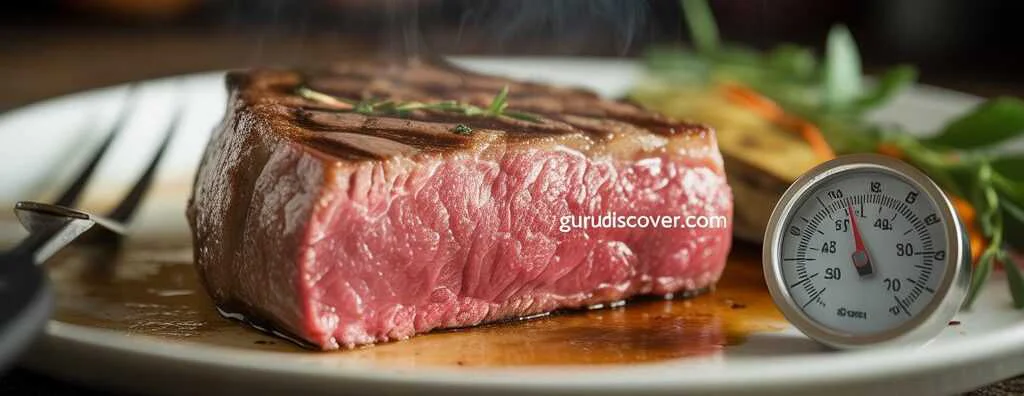
A thermometer is your objective guide through the cooking process. It tells you the truth inside the meat, where it counts. I recommend a Thermapen or similar fast, accurate model. To use it correctly, insert the probe horizontally into the side of the steak, pushing it into the very center of the thickest part. Avoid touching bone or the pan/grill grates, as this will give a false reading. Wait for the temperature to stabilize. This simple tool is the single biggest upgrade you can make to your cooking game. It empowers you to cook with confidence and guarantees your medium rare steak temp is hit with scientific accuracy, every single time.
Step-by-Step: The Foolproof Method for a Perfect Medium Rare Steak
Ready to cook? Follow this detailed, fail-proof method. We’ll use a cast-iron skillet or heavy-bottomed pan for maximum crust, but these principles apply to grilling too.
Step 1: Choose & Prepare Your Steak. Start with a quality cut at least 1-inch thick. Ribeye, New York Strip, and Filet Mignon are classics. About 30 minutes before cooking, take the steak out of the fridge. Pat it completely dry with paper towels—this is crucial for a good sear. Season liberally on all sides with coarse kosher salt and freshly ground black pepper. Let it sit uncovered. This brings the meat to room temperature for even cooking and helps the seasoning penetrate.
Step 2: Preheat Your Pan. Place your dry cast-iron or steel pan over medium-high to high heat. Let it get seriously hot for a full 3-5 minutes. You should see a slight wisp of smoke from the pan. Add a high-smoke-point oil like avocado, canola, or grape seed oil, just enough to coat the bottom. It should shimmer immediately.
Step 3: Sear to Create Flavor. Gently lay your seasoned steak in the hot pan. It should sizzle loudly. Do not touch it! Let it sear undisturbed for 2-3 minutes to form a deep brown crust. Use tongs to peek. When it releases easily and has a good crust, flip it over. Sear the other side for another 2-3 minutes. For steaks over 1.5 inches thick, sear the edges (the fat cap) too.
Step 4: Cook to the Perfect Temperature. After the second side is seared, reduce the heat to medium. For added flavor, add butter, garlic cloves, and fresh herbs like rosemary or thyme to the pan. Tilt the pan and use a spoon to baste the melting butter over the steak continuously. Start checking the medium rare steak temp with your thermometer. Insert it into the side. Once it reads 125°F, you’re close. For our target of 130°F (for pan-cooking), pay very close attention. The last few degrees come fast.
Step 5: The Critical Rest. The moment your thermometer hits 130°F, remove the steak from the pan and place it on a wire rack or a warm plate. Tent it loosely with foil. Let it rest for a minimum of 5-10 minutes. This is when the magic happens: the juices, which were forced to the center by the heat, redistribute evenly throughout the entire steak. If you cut it now, all that flavor would spill out. Resting ensures every bite is juicy. The temperature will rise to the perfect 135°F during this time. Now, slice against the grain and serve.
The Art of Resting: Why Your Steak Needs a Break
You’ve cooked it perfectly to the right medium rare temp. Now, the hardest part: waiting. Resting your steak is not a suggestion; it’s the final, critical step in the cooking process. When heat hits protein, the fibers tighten and squeeze, pushing the internal juices toward the center of the steak. If you immediately cut into it, those unrested juices will flood your plate, leaving the meat dry.
By letting the steak rest off the direct heat for 5-10 minutes (for a standard cut), the fibers relax. The internal temperature also equalizes, finishing the gentle cooking process (called carryover cooking) and bringing it to its final perfect state. The juices then get re-absorbed and distributed evenly throughout the meat. How long to rest? A good rule is to rest for about half the total cooking time. For a thick, 2-inch ribeye, you might rest for 10 full minutes. You’ll know it’s ready when you gently press it and the juices don’t immediately run out. This simple pause transforms your steak from good to legendary, guaranteeing maximum juiciness in every single slice.
Common Steak Mistakes and How to Avoid Them Forever
Even with the best intentions, small errors can derail your perfect steak. Let’s fix them for good.
Mistake 1: Cooking a Cold Steak. Taking a steak straight from the fridge to a hot pan causes the outside to overcook before the center reaches the desired medium rare temp. The fix: Let it sit on the counter for 30-45 minutes before cooking. Mistake 2: A Crowded or Not-Hot-Enough Pan. If the pan isn’t screaming hot, you’ll steam the steak instead of searing it, resulting in a gray, tough exterior. The fix: Use high heat and don’t overcrowd; cook one or two steaks at a time. Mistake 3: Constantly Flipping and Poking. Flipping too often prevents a good crust from forming. Poking it with a fork releases juices. The fix: Use tongs, flip only once or twice, and never pierce it with a fork. Mistake 4: Skipping the Thermometer. This is the biggest mistake. The fix: We’ve already covered it—just use one! Mistake 5: Slicing With the Grain. Cutting along the long muscle fibers makes the steak seem chewier. The fix: Always identify the direction of the fibers and slice perpendicularly (against the grain) to shorten them for a more tender bite.
Medium Rare vs. Medium Steak: Understanding the Delicious Difference
The line between a medium rare and a medium steak is thin in temperature but wide in experience. It’s the difference between a warm, pink center and a hot, slightly pink center. A medium steak temp falls between 135°F and 145°F. At this range, the pink color becomes more subdued, turning a light rosy hue near the center. The steak is still juicy and flavorful, but it has lost some of the buttery tenderness and moistness of a true medium rare cook.
Why would someone choose medium? Some people simply prefer their meat cooked a bit more, or they might be cooking a leaner cut like a filet where a slightly higher temperature can be more forgiving. For fattier cuts like ribeye or strip, however, many believe the fat renders and flavors best at the medium rare temp. It’s all about personal preference, but knowing the difference helps you cook for yourself and your guests exactly how they like it. The key is control—you can always cook a steak more, but you can never uncook it.
Beyond Beef: How “Medium Rare” Applies to Other Foods
The concept of “medium rare” isn’t exclusive to beef! The principle of careful heat control applies to other proteins, though the safe temperatures differ. For example, lamb chops are often cooked to a similar medium rare temp as beef, around 130-135°F, for optimal tenderness. High-quality tuna steaks are frequently served “rare” to medium rare, seared on the outside but cool and red in the center, around 115-125°F.
Even eggs have a doneness scale. While you should always cook poultry and ground meats to safe temperatures (165°F for poultry, 160°F for ground beef), the term over medium eggs refers to a specific doneness where the white is fully set, the yolk is partially set but still thick and creamy, and it’s a favorite for breakfast sandwiches. Understanding how heat affects different proteins makes you a more versatile and confident cook overall. The core lesson is the same: precision leads to perfection.
Pro Tips for the Most Flavorful Steak of Your Life
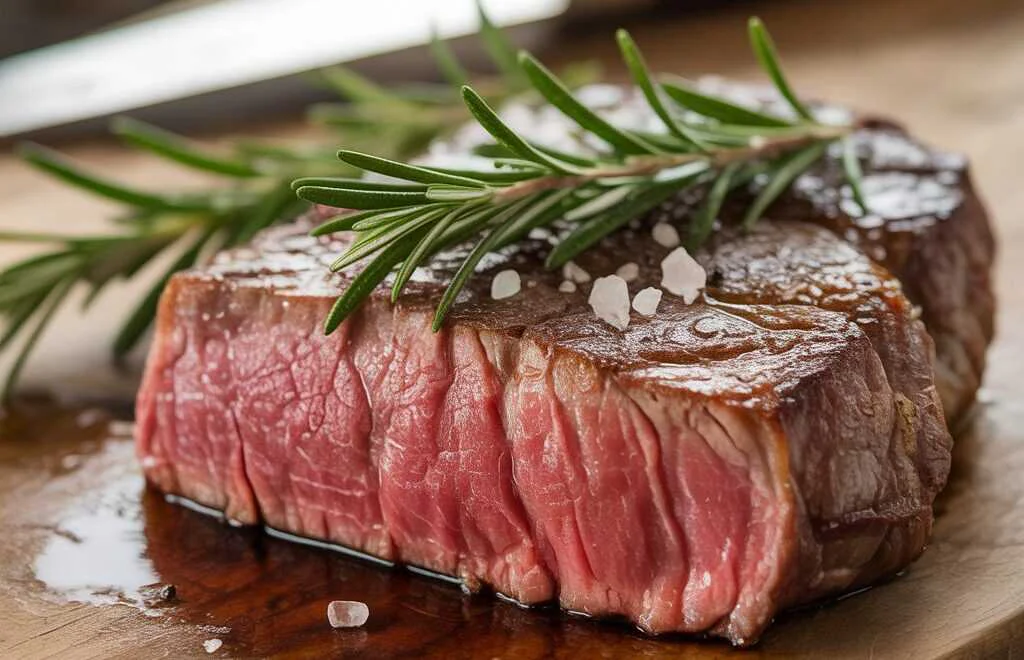
Let’s elevate your steak game with some chef-approved secrets. First, dry-brine your steak. The night before, salt it heavily and leave it uncovered on a wire rack in the fridge. This seasons it deeply and dries the surface for an incredible crust. Second, invest in quality salt. Flaky sea salt like Maldon for finishing adds a wonderful texture and burst of flavor. Third, let your steak rest on a wire rack, not a plate. This prevents the bottom from getting soggy in its own juices.
Fourth, experiment with aromatics. While resting your steak in the pan after cooking, add a splash of red wine or brandy to deglaze those tasty browned bits (the fond) and create a simple, incredible pan sauce. Fifth, understand your cut. A well-marbled ribeye needs mostly just salt and pepper to let the fat shine. A leaner sirloin can benefit from a marinade to boost tenderness and flavor. Finally, practice makes permanent. The more you cook, the more you’ll understand the sounds, smells, and sights that lead to a perfect medium rare steak temp. Trust the process, and soon it will be second nature.
Frequently Asked Questions (FAQs)
Q1: Is it safe to eat a medium rare steak?
A: For whole cuts of beef like steaks and roasts, harmful bacteria like E. coli typically reside only on the surface. When you sear the outside at high heat, you effectively kill those surface bacteria. The interior of a solid cut is generally considered sterile. Therefore, cooking a steak to a medium rare temp of 130-135°F is considered safe for most healthy individuals, provided the exterior is properly seared. Always source your meat from reputable suppliers.
Q2: How long should I cook a 1-inch steak for medium rare?
A: I never recommend cooking by time alone, as stovetop heat varies. However, as a rough guide, a 1-inch steak at room temperature, seared in a very hot pan, will take approximately 3-4 minutes per side to reach a medium rare temp. The only reliable way to know is to use a meat thermometer and check for 130°F in the center.
Q3: Why is my medium rare steak tough?
A: Several factors can cause toughness. The most common are: not slicing against the grain, not letting the steak rest before cutting, choosing a naturally tougher cut (like round steak), or overcooking it past your intended medium rare temp. Ensuring proper technique from selection to slicing solves most toughness issues.
Q4: Can I get a good crust and a medium rare center on a thin steak?
A: It’s challenging but possible. The key is extreme heat. Get your pan as hot as possible. Pat the thin steak extremely dry, season it, and sear it for just 60-90 seconds per side. It will cook very quickly, so have your thermometer ready. You might only achieve a medium-rare edge with a more medium center on very thin cuts.
Q5: Does the type of steak cut affect the medium rare cooking time?
A: Absolutely. Thickness is the main factor. A 2-inch filet will take much longer than a 1-inch sirloin. Bone-in cuts like a T-bone also take slightly longer because the bone insulates the meat. Fattier cuts like ribeye may require a slightly lower heat after searing to gently render the fat without burning the crust. Always cook to temperature, not time.
Q6: What’s the best way to reheat a medium rare steak without overcooking it?
A: The best method is low and slow. Let the steak come to room temperature. Preheat your oven to 250°F. Place the steak on a wire rack over a baking sheet and warm it until it just reaches an internal temperature of 110-115°F (about 10-15 minutes). Then, quickly sear it in a very hot pan for 60 seconds per side to refresh the crust. This minimizes further cooking.
Conclusion: Your Perfect Steak Awaits
You now hold all the knowledge you need. The mystery of the medium rare steak temp has been solved. You understand the why, the how, and the precise numbers. You know that your thermometer is your best friend, that resting is your secret power, and that a hot pan is non-negotiable. This isn’t about fancy tricks; it’s about mastering the fundamentals with confidence.
So, what’s next? It’s time to practice. Pick up a beautiful steak, take a deep breath, and follow these steps. Don’t fear the heat—embrace it. Celebrate the sizzle, watch the thermometer with anticipation, and give that steak the rest it deserves. When you finally slice into it and see that perfect, juicy pink center, you’ll feel the pride of a true cook. Share this victory with friends and family. You’ve earned it. Now, go forth and sear. Your journey to steak mastery starts now, one perfect, medium rare bite at a time.
The Steak Doneness & Cooking Guide at a Glance
| Doneness Level | Final Target Temp (F°) | Final Target Temp (C°) | Center Color & Texture | Description & Best For |
|---|---|---|---|---|
| Blue Rare | 115-120°F | 46-49°C | Dark red, cool, very soft | Seared outside, almost raw inside. For the true rare enthusiast. |
| Rare | 120-129°F | 49-54°C | Red, cool to warm, soft | Cool, very juicy center with a firm sear. Tender cuts like filet. |
| Medium Rare | 130-135°F | 54-57°C | Warm pink, very juicy, tender | The gold standard. Perfect balance of sear, warmth, and juiciness. |
| Medium | 135-145°F | 57-63°C | Warm pink to light pink, moist | Less pink, still juicy. A popular choice for those who prefer more doneness. |
| Medium Well | 145-155°F | 63-68°C | Slight pink hint, mostly gray, firm | Mostly gray-brown, noticeably drier. Cooked through with little pink. |
| Well Done | 160°F+ | 71°C+ | Uniform gray-brown, very firm | Fully cooked, no pink, often dry. For those who prefer no redness. |
Essential Cooking Times & Steps (For 1-inch Thick Steak)
| Step | Action | Key Detail | Pro Tip |
|---|---|---|---|
| 1. Prep | Pat dry, season, rest at room temp. | 30-45 min before cooking. | Salting early (dry-brine) for 1-24 hrs in fridge improves flavor & crust. |
| 2. Preheat | Heat pan or grill. | Medium-High to High heat. | The pan should be so hot that water droplets skitter and evaporate instantly. |
| 3. Sear | Cook first side. | 2-3 minutes undisturbed. | Wait for a brown crust to form and the steak to release easily from the surface. |
| 4. Flip & Sear | Cook second side. | 2-3 minutes undisturbed. | Add butter & aromatics (garlic, herbs) to the pan during this stage for basting. |
| 5. Check Temp | Use instant-read thermometer. | Target: 125-130°F for pan. | Insert into the side, into the center. Remove from heat at 130°F for pan, 132°F for grill. |
| 6. Rest | Transfer to rack, tent loosely. | Minimum 5-10 minutes. | The temp will rise 3-5°F to final medium rare temp of 135°F. DO NOT SKIP. |
| 7. Slice & Serve | Cut against the grain. | Use a sharp knife. | Slicing against the muscle fibers makes the steak taste more tender. |
You May Also Like To Read: Everything You Need to Know for Success Davyomwez
About the Author
