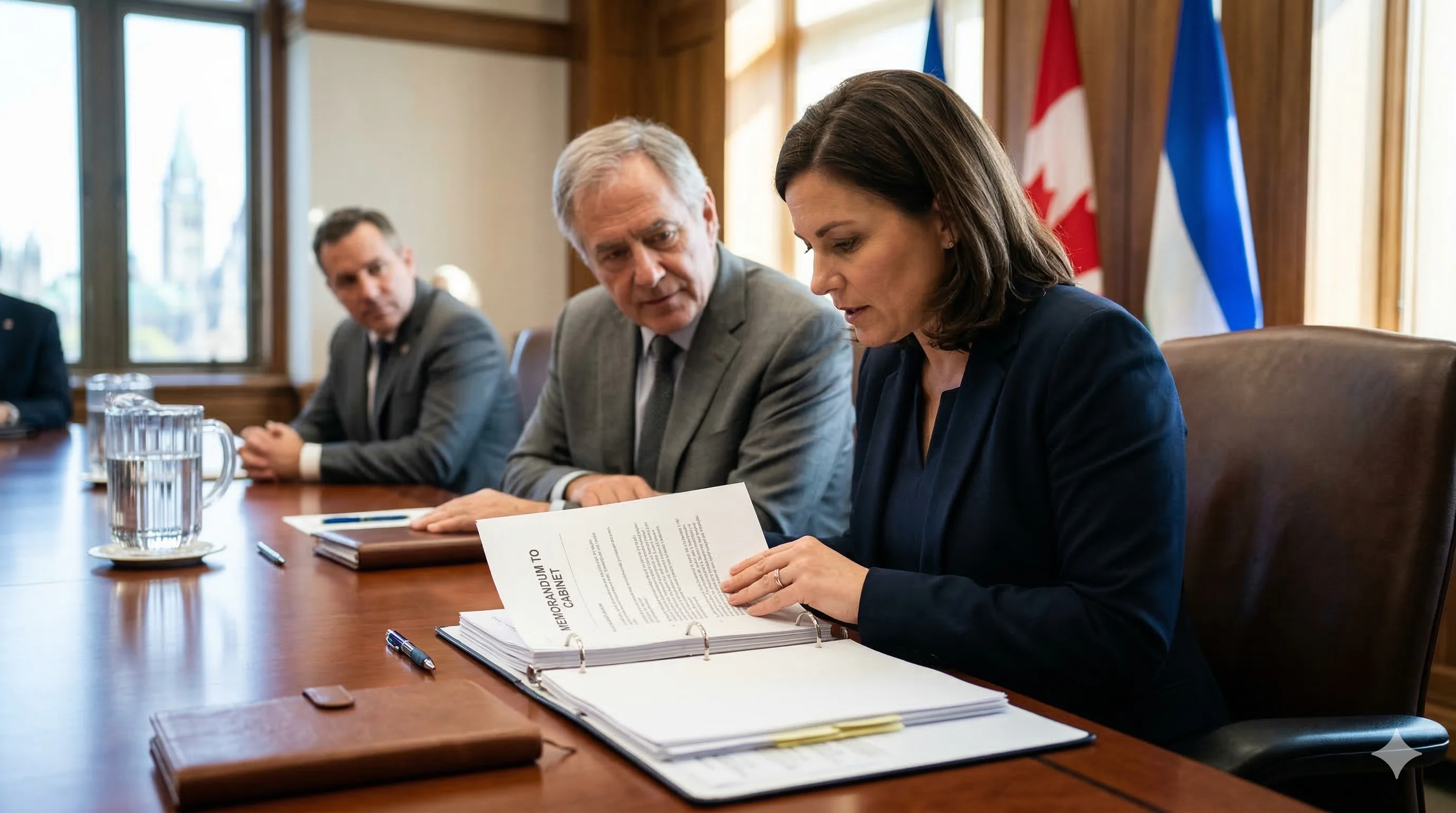
Memorandum to Cabinet
Have you ever wondered how big government decisions actually get made? Behind every new law, major policy change, or national program, there is a single document that starts it all. This document is called a memorandum to cabinet. Think of it as a formal request that a minister sends to the rest of the cabinet team. It asks for permission to move forward with a new idea. The memorandum to cabinet is not just a simple memo. It is a detailed, persuasive paper that outlines a problem and offers a clear solution. When ministers meet around the big table, these papers guide their talks. They help turn ideas into real action. Understanding this process helps you see how your government works for you every single day .
The creation of a strong memorandum to cabinet is a serious job. It requires a lot of homework. Government officials spend weeks, and sometimes months, gathering facts and talking to experts. They need to prove that their idea is good and that it will work. This document must show why the government should spend money on this idea. It also has to explain how the new plan might affect regular people. The goal is to give ministers all the information they need to make a smart choice. A well-written paper makes it easy for them to say “yes.” Without this careful planning, big projects can run into trouble later on. That is why the memorandum to cabinet is the most important step in the whole decision-making journey .
The Main Purpose of This Important Document
So, what is the real point of a memorandum to cabinet? Its main job is to ask for a decision. A minister cannot just start a big new program on their own. They need the agreement of all their colleagues in cabinet. This document is how they ask for that agreement. It presents one clear recommendation. For example, a minister might want to build a new highway or change a health care rule. The memorandum to cabinet explains the problem, shows why action is needed now, and suggests the best way forward .
This paper also serves as a record. It shows that the minister thought carefully about the issue. It lists the different options they looked at and explains why they chose one over the others. Sometimes, the best choice is not the easiest one. The document must be honest about the costs and the risks. It also needs to show how the plan fits with what the government promised the people. By reading this paper, every minister in the room understands the issue the same way. This creates a fair process where everyone can join the discussion and help make the final call .
Key Elements Found Inside a Memorandum
Every strong memorandum to cabinet follows a clear structure. It starts with a short title and a single sentence that states the issue. This helps ministers know right away what they are talking about. Next comes the heart of the paper. This section gives the background and explains why the government must act. It uses facts and figures to build a strong case. The writer must show they have talked to other departments and listened to people who will be affected. This proves that the idea has been thought through from every angle .
Another critical part is the financial section. Money is always a big topic in government. The memorandum to cabinet must list how much the idea will cost this year and in the future. It also needs to say where the money will come from. Will it come from existing budgets, or does the minister need new funds? Finally, the paper includes an implementation plan. This explains who will do the work and how they will do it. It also covers how the government will tell the public about the new program. All these pieces work together to build trust and show that the plan is ready to go .
How It Differs From Other Government Papers
Many people get confused by all the different documents in government. A memorandum to cabinet is not the same as a Treasury Board submission. Each one has a special job. The memorandum asks for permission to start something new. It focuses on the big picture. It asks, “Should we do this at all?” The answer to that question is a policy decision. Only cabinet ministers can make that call. They look at the political side of things and decide if the idea is right for the country .
On the other hand, a Treasury Board submission deals with the details after the idea is approved. It focuses on how to spend the money and manage the staff. It asks, “How do we do this the right way?” While a memorandum to cabinet talks about goals and vision, a Treasury Board paper dives into contracts, computers, and program rules. Another type is the Governor in Council submission, which deals with appointments and regulations. Knowing the difference helps everyone work faster. It makes sure the right people look at the right paper at the right time .
The Journey From Draft to Decision
The path of a memorandum to cabinet is a long one. It does not just appear in front of ministers overnight. First, a department starts working on the idea. They write early drafts and share them with other departments for feedback. This step is very important. It helps find problems before the minister sees the paper. If one department disagrees with the plan, they can suggest changes early on. This teamwork makes the final proposal stronger and harder to argue against. The goal is to build agreement behind the scenes .
Once the paper is ready, the minister signs it. Then it goes to a special office called the Privy Council Office. This office acts like a traffic cop for cabinet business. They check if the paper is ready and put it on the right meeting agenda. The paper usually goes to a cabinet committee first. These are smaller groups of ministers who focus on one area, like the economy or social policy. They discuss the memorandum to cabinet in detail. If they like it, they send it to the full cabinet for final approval. This two-step process ensures that every idea gets a fair and thorough review before becoming law .
Who Writes These Important Papers?
You might think ministers write their own memorandum to cabinet, but that is not true. The real work is done by public servants. These are skilled people who work in government departments. They are experts in their fields. For example, if the idea is about fishing rules, then officials from the Fisheries department will write the paper. They know the science, the laws, and the people involved. Their job is to give honest advice to the minister. They must present the facts clearly, even if the news is not good .
The writing team includes policy analysts, lawyers, and financial officers. The policy analysts shape the idea. The lawyers make sure it follows the law. The financial officers figure out the costs. They all work together to build a solid case. The minister then takes their work and presents it to cabinet. This teamwork between elected officials and public servants is the engine of good government. It ensures that decisions are based on real knowledge and careful study, not just quick guesses .
The Role of Confidentiality and Cabinet Solidarity
Have you ever noticed that we do not hear about cabinet meetings until after decisions are made? That is because of a very important rule. Everything discussed around the cabinet table is secret. This includes the memorandum to cabinet papers. Ministers must feel safe to speak their minds. They need to argue, disagree, and ask tough questions without worrying that their words will end up in the news. This freedom leads to better decisions. It allows ministers to really test an idea and find its weak spots .
Once the meeting is over, a new rule kicks in. It is called cabinet solidarity. This means that even if a minister argued against a decision inside the room, they must support it in public. They cannot go outside and say, “I told you so.” This unity is what makes the government look strong and stable. The memorandum to cabinet that started the whole process stays confidential. It is kept safe for history, but the public only sees the final result. This system protects the honesty of the debate while keeping the government’s work moving forward .
How Science and Facts Shape the Proposal
Good governments rely on good evidence. When someone writes a memorandum to cabinet, they cannot just share opinions. They must include facts, studies, and expert advice. This is especially true for science-based issues. For example, if a minister wants to change rules about pollution, the paper must include the latest science on clean air. It should show what experts say about the problem and the proposed fix. This commitment to evidence builds public trust. It shows that decisions are not made on a whim .
Writers often use a checklist to make sure they have included all the important science. They ask questions like: Where did we get our facts? How sure are we about the results? What are the risks if we are wrong? Answering these questions makes the memorandum to cabinet stronger and more honest. It also helps ministers explain the decision to the public later. When people see that a decision was based on solid research, they are more likely to accept it. This connection between science and policy is vital for making smart choices that last .
Historical Examples of Powerful Memoranda
The memorandum to cabinet has a long history. Some of the most famous ones have changed the course of nations. One well-known example comes from World War One. In 1916, a young politician named Winston Churchill wrote a memorandum to the British cabinet. At the time, the war was raging, and the Battle of the Somme was underway. Churchill had left the government but still had a seat in Parliament. He wrote a confidential paper sharing his views on the battle. He argued that the attacks were not working and that the cost in lives was too high .
Churchill’s memorandum to cabinet was very direct. He used numbers to show the land gained compared to the soldiers lost. His conclusion was harsh. He called the offensive a failure. Another minister wrote a response, defending the war plans. This exchange shows how powerful these documents can be. They allow for deep, honest debate even during a crisis. While Churchill’s memo did not change the war right away, it showed his courage to speak hard truths. It is a perfect example of how a single paper can capture a critical moment in history .
Challenges in Drafting a Winning Paper
Writing a memorandum to cabinet is not easy. It comes with many challenges. One big problem is making the paper short enough. Ministers are very busy people. They do not have time to read 100 pages. The main part of the paper, called the Ministerial Recommendations, must be short and to the point. Usually, it cannot be longer than ten pages. This means the writer must be a master of clear language. They have to cut out all the extra words and focus only on what matters most .
Another challenge is getting everyone to agree. Different departments often have different views. The Finance department might worry about the cost. The Justice department might worry about the law. The writer must talk to all of them and try to find common ground. This takes patience and good people skills. Sometimes, they cannot get full agreement. In that case, the memorandum to cabinet must honestly explain who disagrees and why. This gives ministers a full picture of the political landscape before they make their final choice .
The Lasting Impact of Cabinet Decisions
When cabinet approves a memorandum to cabinet, the real work begins. The decision recorded in that paper starts a chain of events. It might lead to a new law being written. It might create a new program that helps thousands of people. It might even change how the whole country works. The paper itself becomes a historical record. Years later, people can look back and see why a decision was made. They can read the original arguments and understand the thinking of that time .
The decisions are recorded in formal documents called Minutes of Council. These are the official proof of what cabinet agreed to do. Sometimes, the decision leads to an Order in Council. This is a legal tool that puts the decision into effect. So, the journey that started with a single memorandum to cabinet ends with real action in the world. It is a powerful reminder that ideas matter. When they are written down clearly and backed by good evidence, they have the power to shape our future for years to come .
Frequently Asked Questions
What exactly is a memorandum to cabinet?
It is a formal document that a minister sends to the rest of cabinet to ask for a decision on a new policy or program. It explains the problem, suggests a solution, and requests approval to move forward.
How long does it take to write one?
The process can take several weeks or even months. It involves a lot of research, consultations with other departments, and many rounds of drafting and revisions before the minister signs it.
Who can write a memorandum to cabinet?
Only a minister can officially submit one. However, teams of professional public servants within government departments do the actual research and writing to support their minister.
Are these documents public?
No, they are confidential. This protects the privacy of cabinet discussions and allows ministers to speak freely. They are usually kept secret for many years before being released to the public as historical records.
What happens after cabinet approves it?
Once approved, the decision is recorded, and the responsible department starts the work of implementation. This might include writing new laws, creating programs, or allocating funds as outlined in the original proposal.
Conclusion
The memorandum to cabinet is much more than just a piece of paper. It is the heartbeat of government decision-making. It turns ideas into action and promises into real results. From the first draft written by a careful public servant to the final vote around the cabinet table, this document carries the weight of the nation’s business. It ensures that every major choice is made with care, evidence, and teamwork. Now that you understand its power, you can see how your government truly works. The next time you hear about a big government announcement, remember the quiet power of the memorandum that made it all possible. If you found this helpful, share it with a friend who loves learning how things really work
About the Author